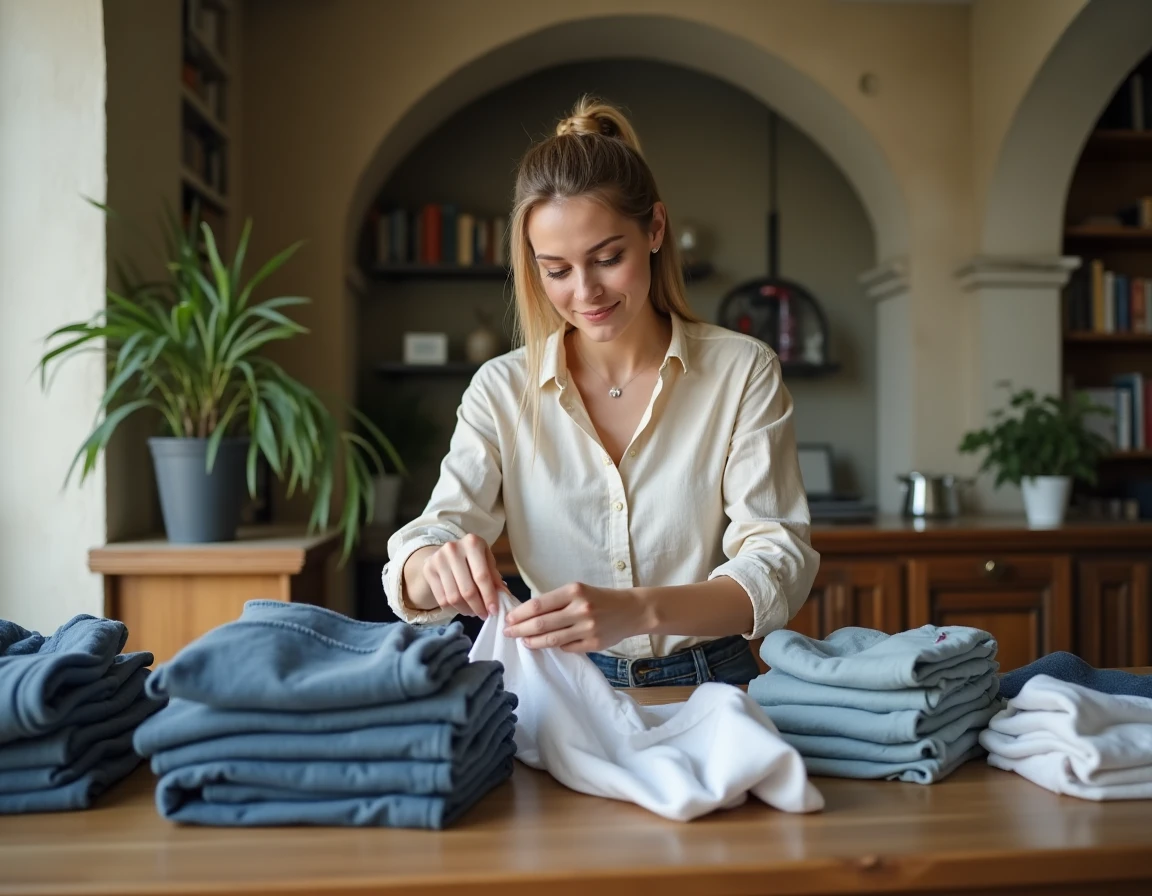
A closet overflowing after a seasonal change, a pile of too-small jeans on a shelf, shirts worn twice and then forgotten: we all know that moment when sorting becomes necessary. The real challenge begins afterward. Selling second-hand clothes is not just about posting a blurry photo on a platform. From choosing the resale channel, preparing the items, to setting the price, each step directly influences the outcome.
Traceability and labels: what increases resale value

Before even photographing a garment, we check what we can prove about it. Second-hand buyers are increasingly looking for verifiable information: composition label, original receipt, labels like GOTS or Fair Wear. A garment accompanied by these elements sells faster and at a better price than an identical piece without any proof.
Never cut off brand and composition labels if you are considering future resale. This habit, formed at the time of purchase, changes the game months later. Some brands now include a QR code or a textile product passport directly on the label, which facilitates authentication during resale.
For designer pieces or premium brands, the original box, dust bag, and receipt constitute a set of proofs that reassure the buyer. On platforms like Vestiaire Collective, these details can represent a significant price difference. When opting for buyback of clothes at Ding Fring, the brand and condition of the garment are evaluated directly, simplifying the process for common items.
Online resale or in-store buyback: choosing the right channel for your wardrobe

You don’t sell a designer coat and a lot of basic t-shirts the same way. The choice of channel depends on three concrete factors: available time, unit value of the items, and their volume.
Peer-to-peer resale platforms
Vinted, Leboncoin, or Vestiaire Collective work well for identifiable pieces with a recognized brand and in decent condition. You manage the photos, description, negotiation, and shipping yourself. This channel maximizes the price but requires time for each item.
In-store buyback programs
Chains like H&M, C&A, or Kiabi have been offering in-store collection programs for a few years now. You drop off your clothes (including third-party brands) and receive a voucher in exchange. The price per kilo remains low, but the speed compensates: in ten minutes, the closet is emptied.
Resale concierge services
Since 2022, brands like Sezane or Sandro and specialized startups have taken care of the entire process: photos, listing, pricing, logistics. They take a commission on the sale. This format is suitable for people who lack time but have high resale value items.
- Designer pieces or premium brands with labels: specialized platform like Vestiaire Collective or brand concierge
- Common clothes in good condition: in-store buyback or thrift shops specializing in buy/sell
- Large volumes of basics without identifiable brands: sale by the kilo or drop-off in-store with a voucher
Preparing your clothes before resale: the actions that make a difference
A clean, ironed, and well-photographed garment sells. A wrinkled item in a plastic bag does not. Preparation doesn’t take long, but it determines the speed of sale and the price obtained.
Start by washing each piece according to the label instructions. Old stains should be treated before washing, not after. A quick pass with a steamer or iron is enough to restore volume and structure to the fabric. Small repairs (missing button, loose hem) are worth it: they take a few minutes but a garment in impeccable condition sells twice as fast as an item needing mending.
Photos and descriptions for online listings
Natural light remains the best ally. Photograph the garment flat or on a hanger, against a neutral background. At least four to five shots: overall view, detail of the label, close-up of the fabric, close-up of any defects.
In the description, mention the brand, size, material, actual condition, and measurements of the garment (length, chest circumference). Feedback varies on this point, but specifying your own measurements and how the garment fits helps buyers envision it.
Setting the resale price: the grid to keep in mind
Overvaluing your clothes is the most common pitfall. You paid a certain amount for a piece, you become attached to it, and you set a price disconnected from the second-hand market. To avoid this, apply a simple logic.
- Garment worn a few times, like new with tags: between half and two-thirds of the purchase price for sought-after brands
- Garment in good condition, worn regularly: about a third of the purchase price
- Worn garment or lesser-known brand in second-hand: symbolic price or sale by the kilo
- Vintage piece or limited edition: check recent sale prices on specialized platforms before setting your own
Looking at sold listings (not just online) for similar items provides a reliable basis. On Vinted, the “sold” filter allows you to see the prices actually accepted by buyers, not the prices hoped for by sellers.
The timing of the sale also matters. Coats sell better in the fall, lightweight dresses in the spring. Listing a down jacket in July means waiting months for nothing.
Reselling second-hand clothes works when you adapt the channel to the type of item and take care in preparation. In-store buyback programs and concierge services have made the process accessible even without free time. What distinguishes a quick sale from an item that stagnates is often a detail: a preserved label, a clear photo, a price aligned with the real market.