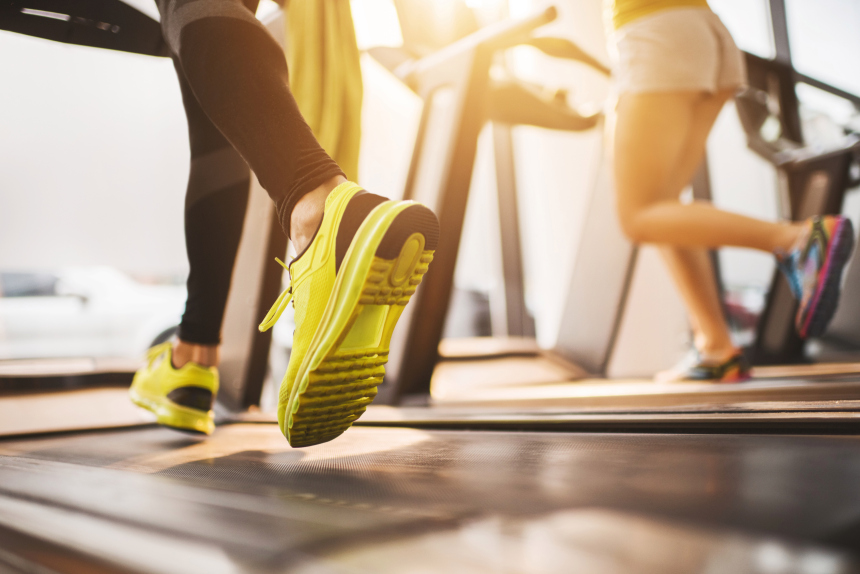
Many runners or fitness enthusiasts frequently use treadmills for training. For some of them, the treadmill becomes the only alternative to continue exercising when weather conditions become harsh. For others, it is simply an excellent complement to their workouts. However, the treadmill offers much more than one might think. Here’s how you could approach your training sessions.
Start Slowly
If you are using a treadmill for the first time, it is important to start at a fairly moderate pace. You need to allow your body to get used to running on a treadmill. Your body will gradually adapt to this new piece of sports equipment as well as to the unusual running conditions. Once you have acclimated to this new working environment, you can increase your pace and go at it more intensely. You will find an excellent treadmill at https://www.tapis-course.net.
Compensate for Wind Resistance
Running indoors on a treadmill often seems easier than running outside. The reason for this is simple. There is a certain lack of wind resistance since you are indoors. To compensate for this lack, you can increase the incline of your treadmill by 1 to 2%. This will allow you to exert the necessary effort when running outside on a flat surface.
Adopt a Natural Posture
Those who run on a treadmill quickly tend to focus solely on the screen displaying information about their heart rate and forget some basics. In doing so, they overlook the position of their feet on the treadmill. Over time, this leads to poor running posture and consequently causes back and neck pain. It is important to make sure to look straight ahead and run in a natural and relaxed manner, just as you would during outdoor jogging sessions. This can help you maintain a natural position and thus avoid muscle pain.
Maintain a Controlled Pace
With the treadmill moving quickly beneath their feet, the new running conditions, the consistent cushioning, and the steady pace may lead some runners to take shorter strides. However, this may not align with their usual running techniques. This can cause them to misjudge their running pace. Often, a slower pace will feel faster than it actually is. To maintain an interesting level of intensity, it is good to listen to your body and try to keep the same stride length. Don’t forget to regularly compare your pace estimation on the screen.
Also, remember to stay well-hydrated. Finally, use fairly lightweight shoes. This will help you control your workout pace effectively.