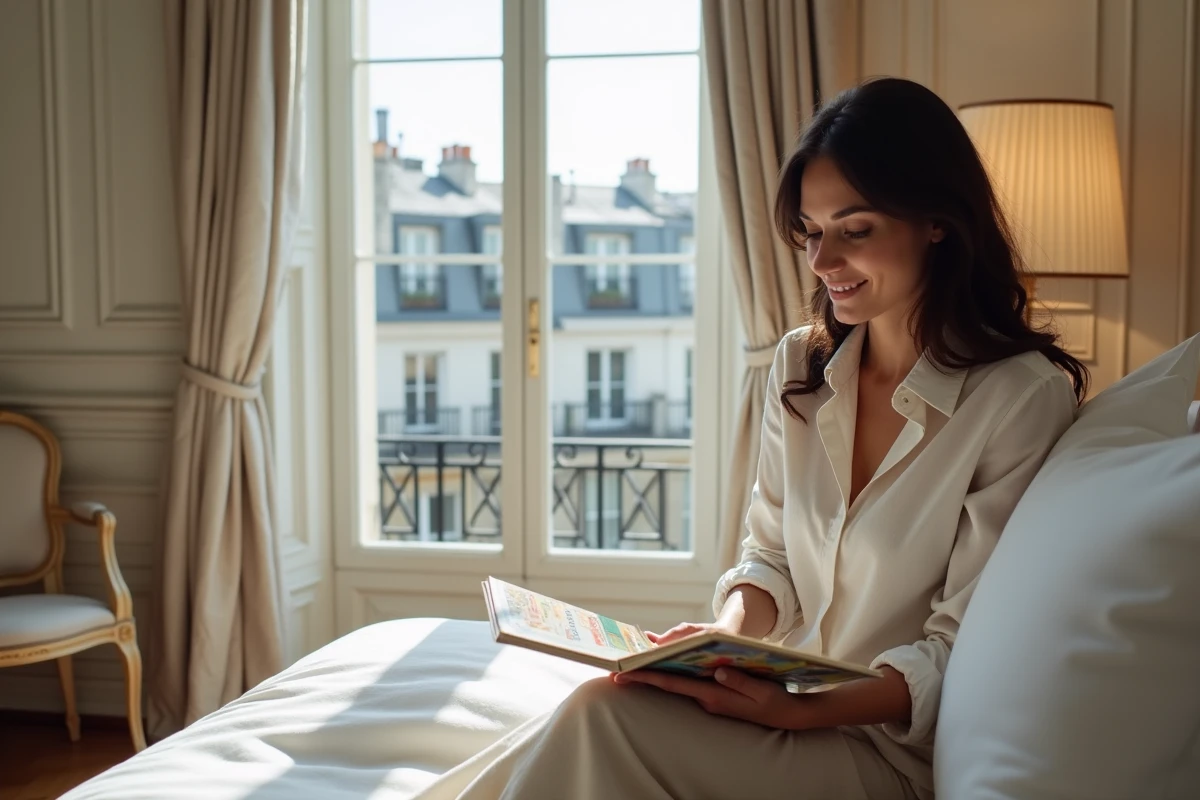
The choice of accommodation in France is not limited to deciding between hotels and seasonal rentals. The structuring of the market has changed since the tightening of regulations on tourist rentals and the rise of serviced residences. Here, we analyze the segments that deserve technical attention, beyond the classic typologies already listed by every travel guide.
Appart’hôtels and managed tourist residences: the segment redefining medium stays
Managed tourist residences (Adagio, Odalys, Nemea, Appart’City) now occupy a strategic niche between traditional hotels and private rentals. Their model relies on a fully equipped kitchen, regular cleaning, and 24/7 reception, which eliminates the usual irritants of seasonal rentals: opaque deposits, variable cleaning fees, and unpredictable cancellation policies.
We observe that these options attract two specific profiles: nomadic remote workers who book by the week or month, and families on extended stays who need autonomy without giving up a standardized environment. The average booking durations exceed those of traditional hotels, reflecting a fundamentally different usage.
For a traveler planning more than four nights, the cost per night in an appart’hôtel often becomes lower than that of a comparable hotel, with significantly more living space. You will find detailed comparisons by type of stay on the Voyager en Découverte website, allowing for refined choices based on duration and destination.
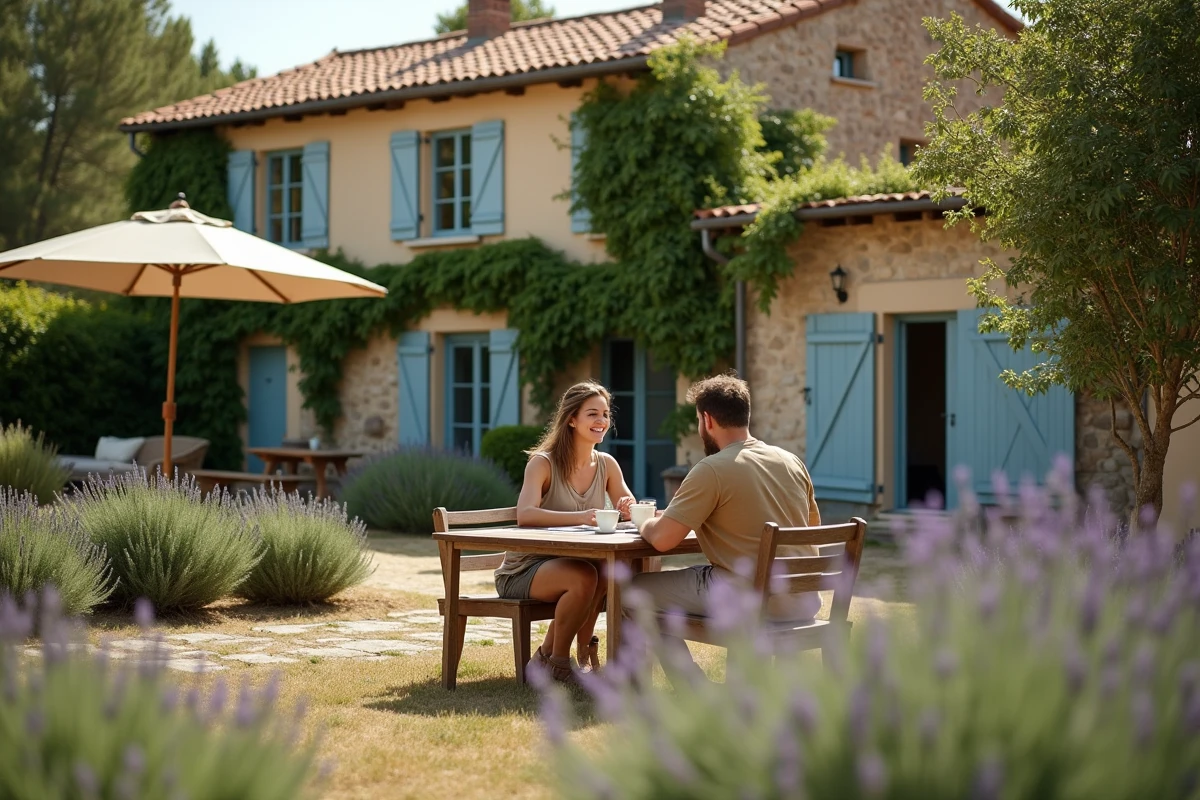
Regulation of tourist rentals: what changes concretely for travelers
Paris, Lyon, Bordeaux, Marseille, and Annecy have tightened seasonal rental limitations since 2024. The measures are now very concrete: mandatory registration number, annual night caps, and in certain neighborhoods, compensation requirements (converting commercial square meters into housing to be able to rent touristically).
For travelers, the direct consequence is twofold. First, part of the Airbnb and Abritel offer disappears or increases in price, as owners pass on administrative costs. Second, unregistered listings risk being removed during the year, which can lead to unexpected cancellations a few weeks before departure.
Verifications before booking on a private platform
- Confirm that the listing displays a valid municipal registration number, mandatory in municipalities that have implemented the system
- Check the cancellation policy and refund conditions in case of listing removal by the platform
- Prefer hosts with a history of recent bookings, ensuring that the accommodation is still in regulatory compliance
This tightening mechanically benefits professional accommodations (hotels, managed residences, declared guesthouses) whose offer remains stable and predictable.
Guesthouses and labeled gîtes: reading beyond the star rating
Guesthouses are not subject to the state star rating, unlike hotels, campsites, tourist residences, and holiday villages that follow a rating from 1 to 5. This absence of an official grid makes private labels all the more structuring.
The Gîtes de France label, created in 1951, now covers more than 60,000 accommodations. Its evaluation grid is based on specific criteria (ears of corn from 1 to 5) that focus on comfort, environment, and quality of welcome. A 3-ear gîte is not comparable to a 3-star hotel: the reference frameworks measure different things.
For travelers seeking local immersion, the guesthouse remains the most suitable format, with breakfast included and direct interaction with the host. The gîte, on the other hand, is better suited for autonomous stays in groups or families, with complete private space.

Outdoor hospitality and holiday villages: deciding based on group composition
Camping and holiday villages cover distinct needs that are often confused. The holiday village includes catering and supervised activities in a package, positioning it as an all-inclusive formula suitable for families with young children or multigenerational groups.
Camping, including high-end mobile homes, offers greater flexibility regarding duration and budget. Establishments rated 4 or 5 stars now offer amenities (heated pool, spa, fitness area) that compete with leisure hotels, while maintaining a significantly lower cost per night and per person.
Selection criteria based on group profile
- Couple without children for a short stay: guesthouse or boutique hotel, to maximize the local experience without logistics
- Family with children for a week or more: managed tourist residence or 4-5 star camping, for autonomy and budget control
- Group of friends or extended family: labeled gîte with sufficient capacity, to share a common space without extra cost per room
- Remote worker on an extended stay: appart’hôtel with professional Wi-Fi and dedicated workspace
The French market for tourist accommodation is becoming increasingly segmented. Each format responds to a specific duration, budget, and group composition. The underlying trend, driven by the decline of non-professional rentals in major cities and the rise of managed residences, pushes travelers to select their accommodation as a structuring element of their stay, not just as a simple variable adjustment.