In the culinary world, sterilizing jars is an essential technique to ensure optimal food preservation. This method, which dates back centuries, is still relevant today and allows households to maintain the authentic taste of food while protecting it from microbial contamination. Whether you are an experienced chef or a novice in the kitchen, understanding and mastering this process can be extremely beneficial. It can not only extend the shelf life of your products but also give you the satisfaction of having successfully preserved your food safely and effectively.
Sterilized Jars: The Basics for Safe Preservation
To ensure optimal preservation of your food, it is essential to check the correct sterilization of the jars. Any negligence in this process could lead to the development of harmful microorganisms to your health.
The first element to consider is the condition of the jars before use. Be sure to choose clean, defect-free materials: no chips or cracks in the glass, non-rusted lids, and seals in good condition. They should then be thoroughly cleaned with mild soap and plenty of hot water.
The traditional method for sterilizing jars involves immersing them in a pot filled with boiling water for at least 15 minutes and then allowing them to air dry before use. You can also opt for oven sterilization if you prefer this option.
It is important to mention that not all types of food require the same sterilization time: the richer they are in sugar or acid, the shorter the time they need to be kept at high temperatures.
Once this important work is done, you can proceed to fill the jars with your favorite food products • fruits, vegetables, as well as homemade sauces or jams • which you will have, of course, taken care to cook sufficiently beforehand to avoid any post-sterilization contamination of the jar by them!
The final step is, of course, after securely sealing our still-hot jars (to create a vacuum), to check the correct sterilization of the jars. For this, you should hear a ‘pop’ as the lid seals while the jar cools. Indeed, if this sound is not heard or if the center of the lid can be pushed down without resistance, then it is likely that your jar is not properly sterilized.
Keep in mind that good preservation depends as much on the preparation stage • cooking and packaging • as on this one: sterilization. This crucial step provides optimal food safety to enjoy your homemade food throughout the year with peace of mind and delight.

Jar Sterilization: Which Methods to Choose
When it comes to jar sterilization methods, there are several options available to us. Beyond traditional boiling water sterilization and oven sterilization, another popular technique is hot sterilization. This method involves using a pressure cooker or an electric sterilizer specifically designed for this purpose. These devices allow for high temperatures to be reached quickly, ensuring a complete destruction of unwanted organisms.
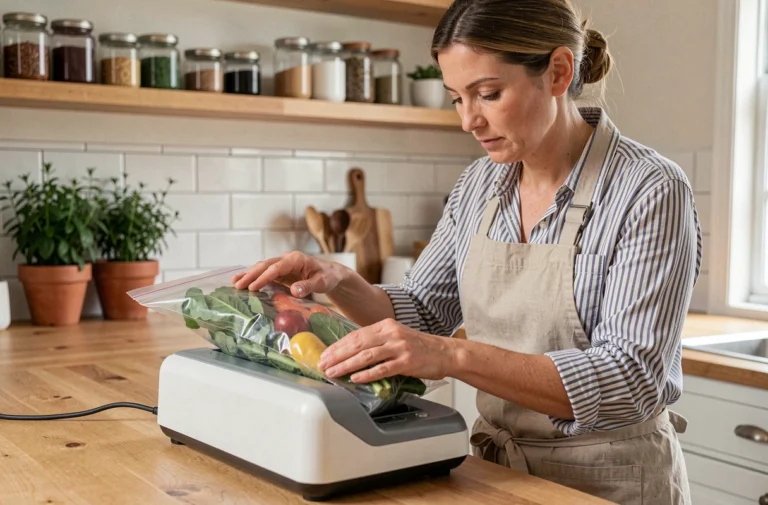
Another modern alternative is the use of the vacuum sealing system. This system involves placing the food in the hermetically sealed jar, then creating a vacuum by removing the remaining air using a special pump.
Jar Sterilization: Mistakes to Absolutely Avoid
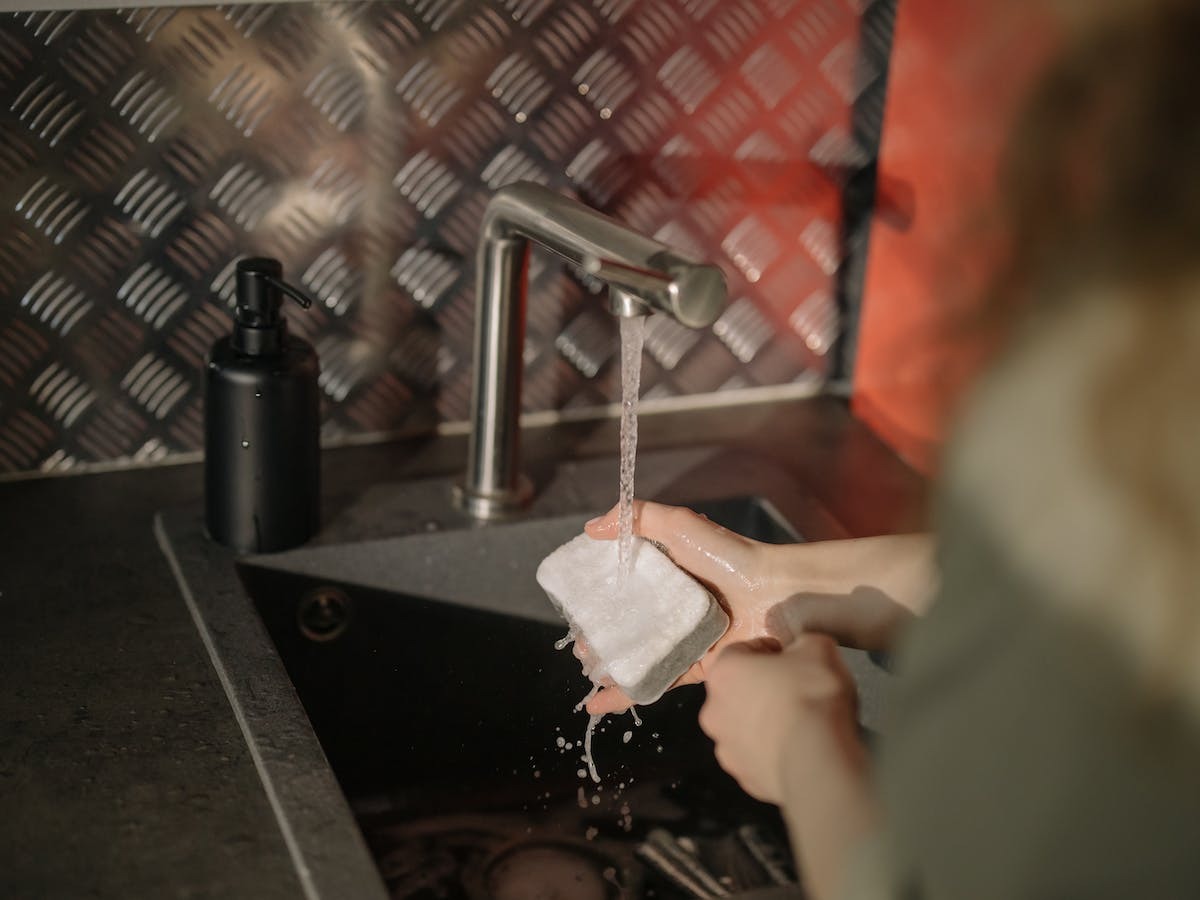
During jar sterilization, you must not neglect the step of careful preparation. Before proceeding with sterilization, make sure to thoroughly clean the jars and lids. Use hot soapy water or a specific product to eliminate any traces of dirt or food residues.
Another common mistake is underestimating the time required for adequate sterilization. It is important to understand that each food has its own recommended time and temperature. Therefore, it is crucial to refer to the precise instructions provided with your chosen sterilization method, taking into account the type of food and the volume in the jar.
Do not forget the crucial importance of using suitable jars. Ensure that they are specifically designed for canning so that they can withstand high temperatures and the vacuum process if necessary. Old jars may have imperfections or be prone to leaks when subjected to intense heat.
One last essential point concerns the correct tightening of the lids on the jars after filling them with the prepared food. Make sure that the lids are tightened evenly and securely, but without excess. Over-tightening can lead to sealing issues or even breakage of the jar during sterilization.
By following these simple precautions, you will be able to optimize the jar sterilization process for optimal food preservation. Sterilization is a safe and effective way to extend shelf life while preserving the taste and nutritional qualities of the products.
Handling Sterilized Jars: Precautions to Take
When handling sterilized jars, it is important to take all the necessary precautions to ensure your food safety. Here are some important recommendations to follow:
Make sure your hands are perfectly clean before touching the sterilized jars. Using antibacterial soap and hot water is highly recommended to eliminate any risk of contamination.
Ensure that the jars are properly cooled before handling them. High temperatures can cause burns if you are not careful. Use heat-resistant gloves to avoid any potential accidents.
When storing or transporting sterilized jars, make sure they are well-packaged in protective material such as newspaper or thick cardboard. This will help avoid any shock or breakage that could compromise the integrity of the contents.
It is important to regularly check the condition of the rubber seals on the lids before each use. If they show any signs of deterioration or cracking, it is essential to replace them immediately to maintain a perfect seal.
Do not forget that the maximum recommended duration for storing your food in a sterilized jar is generally one year. Strictly adhere to this limit to avoid any deterioration in food quality or health risks.
Sterilized Foods: How to Extend Their Shelf Life
In order to maximize the shelf life of sterilized foods, a few simple tips can be implemented. It is recommended to use high-quality jars with a reliable hermetic sealing system. These thick glass containers provide better thermal insulation and thus preserve food longer.
Another tip is to carefully choose the ingredients you will sterilize. Opt for fresh products free from visible defects such as spots or mold. It is also preferable to avoid overly ripe fruits or vegetables that tend to deteriorate more quickly.
During the actual sterilization process, be sure to strictly adhere to the recommended times and temperatures for each type of food. Over-sterilization can alter texture and taste, while under-sterilization promotes the development of bacteria and mold.
After canning in your sterile jars, be sure to check their seal before any potential long-term storage. To do this, apply slight pressure on the lid: if it does not move or if you do not hear any suspicious noise when you press down, that’s a good sign!
To further extend shelf life, choose a cool, dark place to store your jars filled with sterilized food. The ideal temperature is generally between 10°C and 15°C, so avoid places that are too warm or exposed to direct sunlight.
Be sure to label your jars carefully with the canning date and specific contents. This will allow you to easily know the age of the food and prioritize using those that are approaching their recommended limit.
By following these simple yet effective tips, you can enjoy your delicious homemade products for a longer time while preserving their taste and nutritional qualities.