A lifted shot in golf requires precise coordination between the angle of the clubface and the execution speed to avoid the slice, a common mistake even among experienced players. In badminton, the trajectory of the shuttlecock directly depends on the tension of the strings and the placement of the hand on the handle, two parameters often overlooked during initial learning.
Some professional players combine techniques rarely taught in traditional clubs, thus managing to circumvent technical weaknesses through subtle adaptations. The differences between shots lie as much in the mechanics as in the strategy chosen against an opponent.
Overview of the main types of shots in golf and badminton
In each discipline, the shots reveal both hard work and a form of ingenuity. In golf, the lifted shot is essential for overcoming obstacles and aiming for the green with surgical precision. Nothing is left to chance, and success relies on a patiently honed technical mastery, repeated in all conditions. Laurent Morin, a reference in the field and former professional player, reminds us that every gesture, from the backswing to impact, must adjust to the context. His method, the Universal Golf Swing, shared on the Albatros Academy YouTube channel, dissects the subtlety of the movement. The workshops at Albatros Academy or Golf de Chevannes-Mennecy emphasize a flawless balance between power and control, two inseparable axes for anyone aiming for excellence.
On the other side of the net, badminton multiplies striking techniques: tight short serves or full-power smashes, each shot requires finesse and responsiveness. The shuttlecock, light in appearance, tests the technicality of the wrist and the ability to instantly read the opponent’s choices. The best players alternate drops, clears, and attacks, seeking weaknesses through variety and changes in rhythm. The serve, in particular, is the foundation of any sequence: when executed well, it provides an immediate tactical advantage.
For those who want to go further, the website coups-de.net details these gestures and their mechanics, showing how analysis and training transform the approach to the game, whether on the course or the badminton court. Crossing techniques also means understanding the stakes of observation and adaptation, essential tools as competition intensifies.
What technical secrets make the difference on the field?
In the reality of the game, nothing is trivial. Whether in badminton techniques or golf, every detail carries weight. The advantage does not only lie in strength or speed; it stems from a sharpened technical mastery. A professional player constantly adapts: they refine their gestures, modulate the trajectory of the shuttlecock or club, read the context, and adjust almost instinctively. The lifted shot in golf is a testament to this: precision, tempo management, and terrain reading sometimes determine the outcome of a duel.
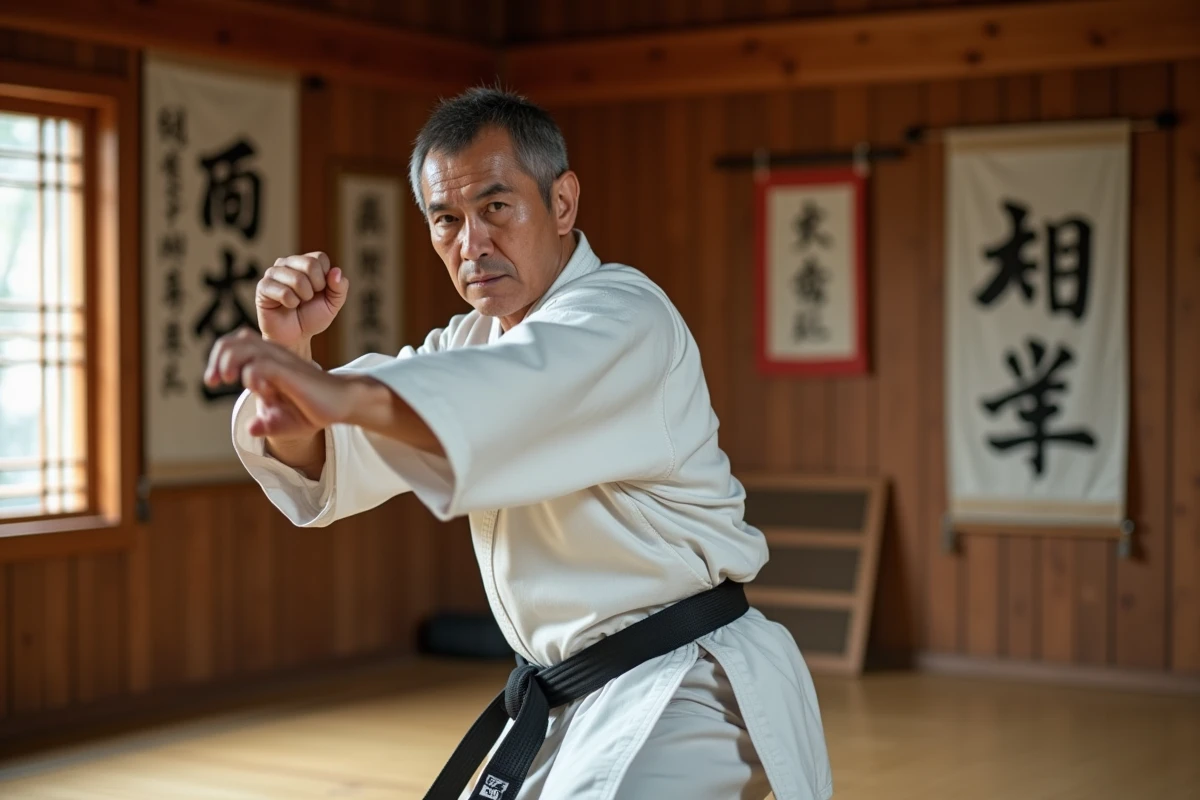
The richness of striking techniques, whether in self-defense or badminton, comes from the diversity of supports: palm, elbow, knee, forehead. This range allows for surprises, seizing the slightest opening. On the court, varying the wrist angle, playing with the height or depth of the shuttlecock puts the opponent in doubt. In golf, training shapes coordination and fluidity; each shot becomes the realization of a strategic reflection.
Here are three essential levers to maintain an advantage during a match or round:
- Anticipation of opponents’ reactions
- Quick and precise execution
- Ability to adapt to each exchange or situation
Observing in real-time, capturing clues, adjusting strategy in a second: these skills, once reserved for an elite, are now accessible to those who can refine their eye and analytical ability.
Practical tips to perfect your game and progress quickly
Mastering golf techniques or badminton techniques is neither a matter of early talent nor a succession of bland gestures. It is regular training that sharpens reflexes, develops tactical intelligence, and forges the difference. Every gesture, every decision is based on a well-thought-out action plan, designed to unsettle the opponent or strengthen cohesion. Technical mastery is rooted in patience, in the willingness to adjust after failure, in the meticulous observation of one’s own movements. Accepting doubt is to open the door to progress.
A sharpened game results from a careful balance between power and precision. To progress, one must vary rhythms, test new impact zones, explore different striking angles. Listening to one’s body, the placement of supports, the flexibility of the wrist—all of it matters. Learning has no age: in self-defense, for example, one can acquire key gestures at any moment, mobilizing hands, elbows, or knees to defuse a confrontation.
To structure your progression, here are areas to work on:
- Repeat the scales, but question each repetition.
- Analyze your sequences on video to identify areas for improvement.
- Practice reacting to unexpected situations to strengthen your reflexes.
- Work on collective confidence: team spirit is built on solidarity and listening.
Progress feeds on experimentation, doubt, but also the desire to step outside the box. Because at the end of the course, what distinguishes the best is not the repeated gesture, but the audacity to invent the next one.