In the hospital environment, cleanliness is a matter of life and death. Nosocomial infections, those infections contracted within the healthcare facility itself, pose a major risk to already vulnerable patients. To combat these invisible threats, hospitals deploy various disinfection strategies. These tactics are essential for maintaining a safe environment for both patients and healthcare staff. They range from traditional cleaning methods to the use of cutting-edge technologies. Each of these methods ultimately aims to eliminate pathogens and prevent the spread of diseases.
Essential Cleaning Methods in Hospital Settings
At the heart of healthcare facilities, cleaning techniques in hospital settings are rigorously selected for their effectiveness and reliability. Manual cleaning, a traditional approach, remains a fundamental pillar. Rags and brushes are used to remove visible dirt, often in conjunction with powerful detergents to dissolve residues and stains. This method requires special attention to frequently touched surfaces, which need to be cleaned several times a day.
In addition, steam cleaning stands out as a robust solution for disinfecting without the use of chemicals. Hot steam, applied by specialized machines, effectively eliminates bacteria and viruses, making this technique ideal for operating rooms and treatment areas.
Chemical disinfection, on the other hand, targets more resistant microorganisms. The use of specific disinfectants is essential to kill bacteria, viruses, and fungi, particularly in laboratories and emergency rooms where the risk of contamination is high.
Small medical instruments benefit from ultrasonic cleaning, where sound waves unleash their cleansing power, while dry cleaning uses solvents to treat delicate textiles and surfaces without resorting to water. To complement this system, sterilization serves as the ultimate barrier, eradicating all microorganisms through steam, chemicals, or radiation.
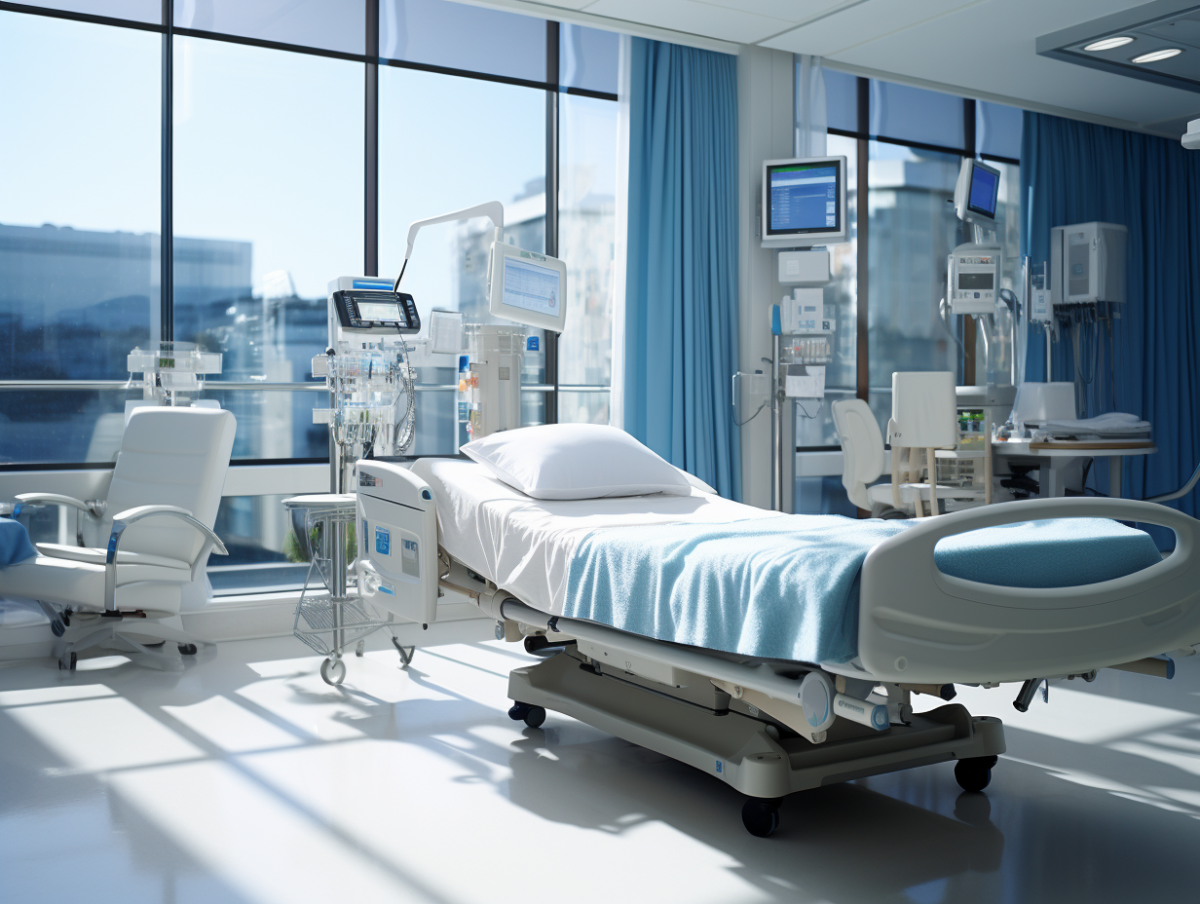
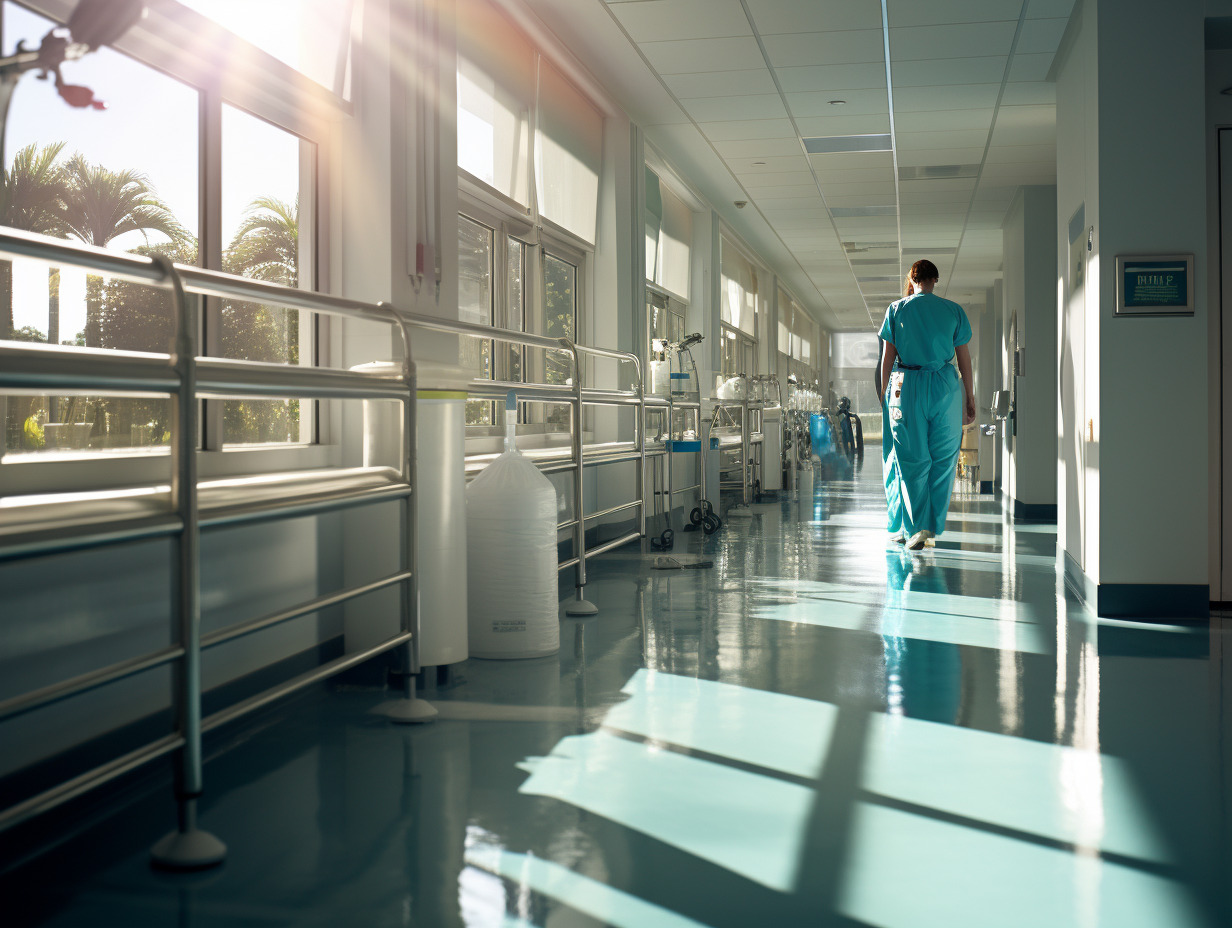
Places such as patient rooms, common areas, and corridors require regular cleaning to prevent the spread of nosocomial infections and maintain a safe hospital environment. Each cleaning method is an essential link in this prevention chain, working tirelessly to safeguard public health.
Evaluation and Training: Keys to the Effectiveness of Hospital Cleaning
The effectiveness of cleaning protocols in hospital settings relies on constant evaluation and thorough training of the involved teams. Cleaning staff, on the front lines, must master manual cleaning and steam cleaning, techniques that require precision and expertise. Ongoing training sessions are crucial to ensure skill updates, adaptation to new standards, and optimal use of dedicated equipment.
Medical staff, for their part, cannot do without a comprehensive understanding of disinfection protocols and sterilization procedures. Specific training modules are designed for them, ensuring rigorous application of hygiene standards and responsiveness in critical situations. They are the guarantors of compliance with guidelines, thereby effectively preventing the spread of nosocomial infections.
Surface technicians, specialists in specialized cleaning, play a fundamental role in maintaining a safe hospital environment. They must possess sharp expertise in the various surfaces and equipment to be treated, from floors to medical instruments. Their training, combining theory and practice, is essential for mastering machines such as the floor scrubber or the ultrasonic cleaner. All these actors, through their commitment and competence, contribute to the excellence of hospital cleaning, a pillar of health safety.